EMF Shielding Workwear for Clean Rooms and Industrial Sites: Fabric, Fit and Compliance Checks
Workwear fails at the fitting, not the fabric. This guide covers shielding workwear for clean rooms and industrial sites — fabric choice, fit, and the compliance checks to settle before ordering.
EMF Shielding Workwear for Clean Rooms and Industrial Sites: Fabric, Fit and Compliance Checks
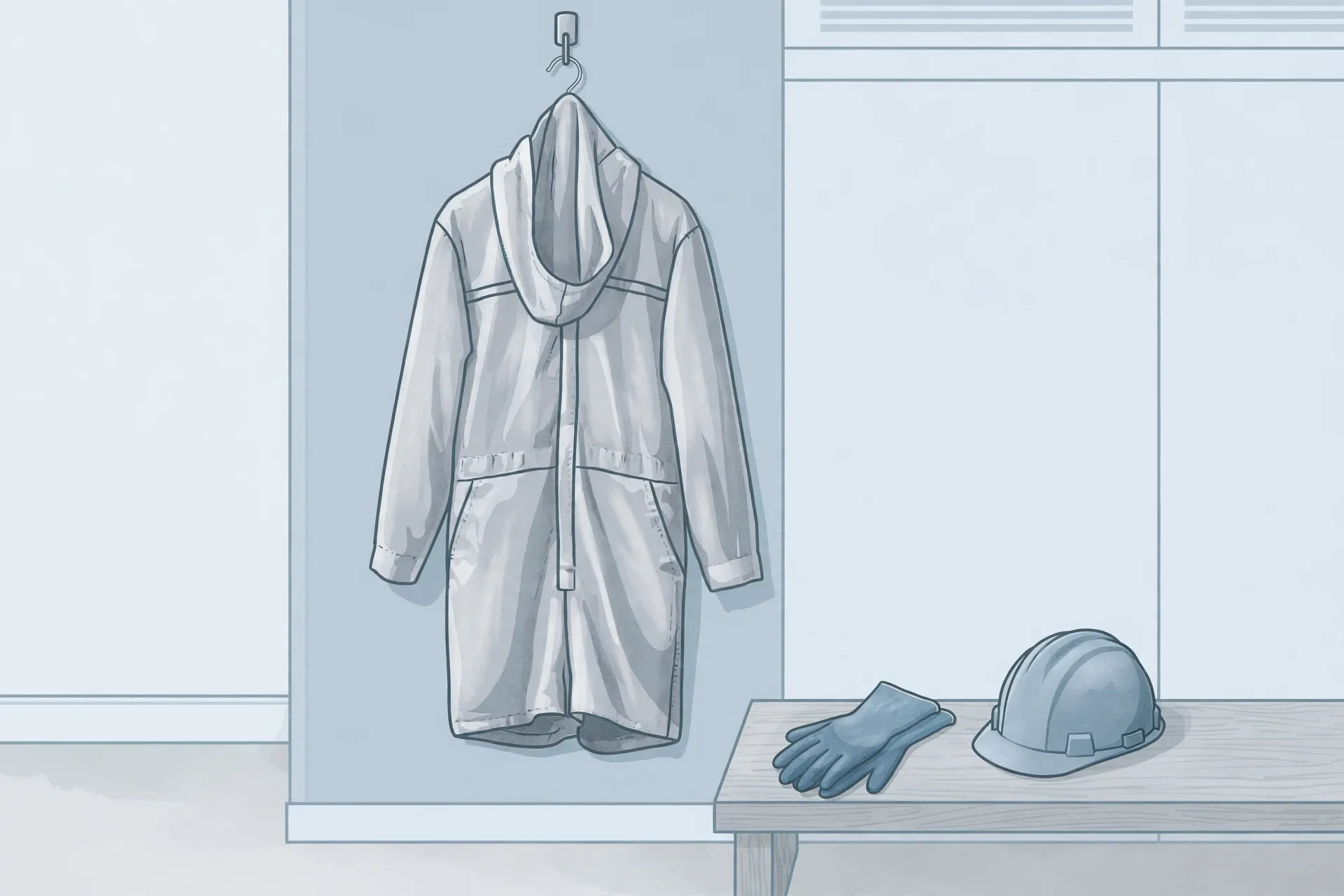
Workwear fails at the fitting, not the fabric. A shielding coverall made from the right cloth, cut to the wrong size, is a garment nobody can work in — and a garment that cannot be worn cannot shield anyone. Buyers ordering EMF shielding workwear for clean rooms and industrial sites are buying clothing that has to do two jobs at once: shield, and let a person move, bend, reach and sit for a whole shift. This guide covers the fabric choice, the fit, and the compliance checks to settle before ordering, so the workwear that arrives passes the site's checks and gets worn rather than left in a locker.
Fabric: copper-nickel for the job, silver fibre for the skin
Copper-nickel fabric, listed at 60 to 90 decibels, is the usual choice for shielding workwear, because it is flexible, hard-wearing, and easy to cut and sew into a coverall, jacket or apron. Silver fibre fabric, listed at 50 to 80 decibels, is the softer choice, used for the parts that touch the skin — a lining, a collar, a cuff — or for garments worn for long shifts where comfort decides whether the garment stays on. Which one suits the order depends on the work: a coverall worn over other clothing in an industrial hall has different needs from a garment worn next to the skin in a clean room.
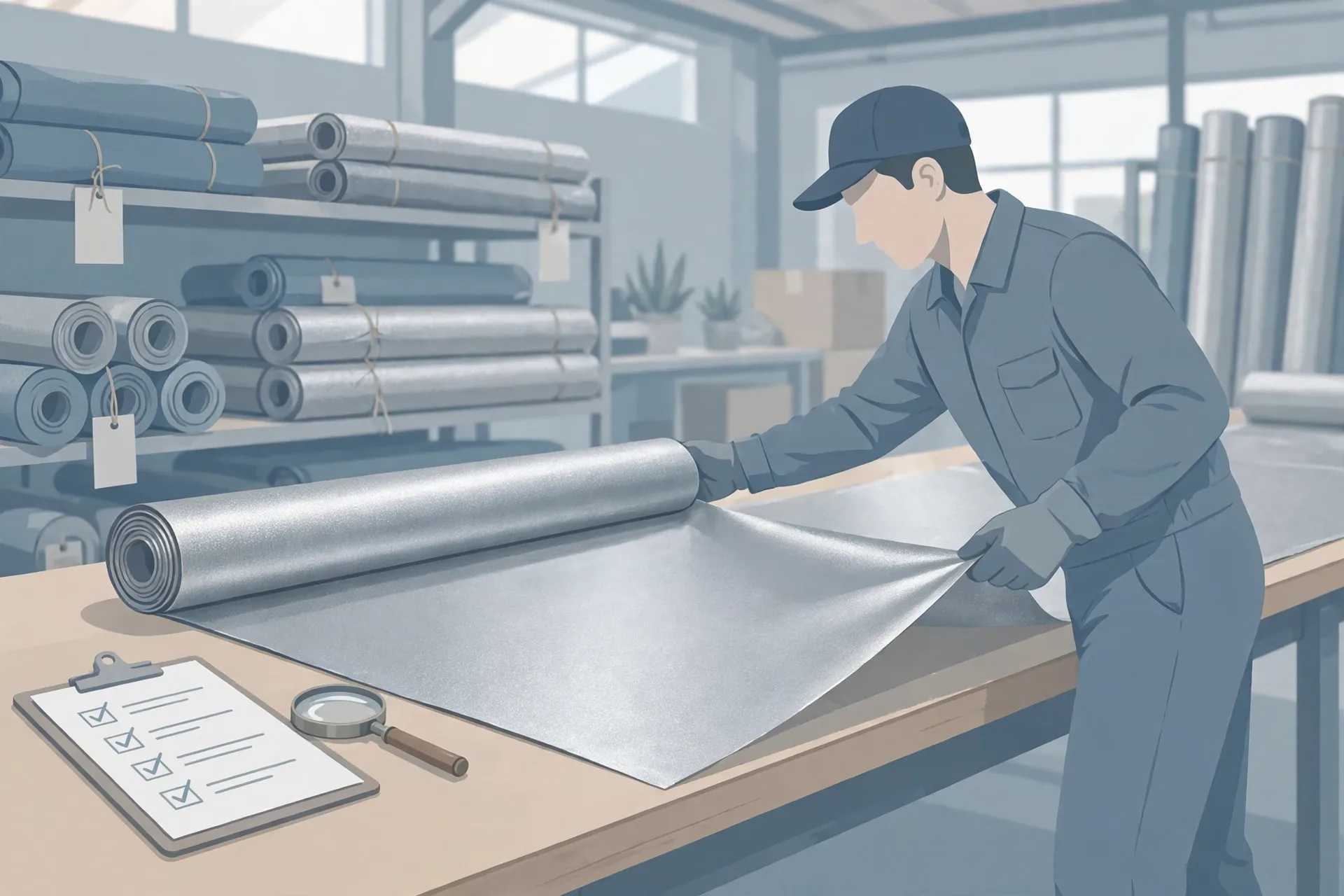
The fabric figure is not the finished garment figure. A coverall has seams, a zip, pockets, cuffs and a collar, and each of those is a join where shielding can leak. Ask for the test report of the exact fabric and the exact construction, with the test method named and the result in writing. Test reports and supplier certificates are available on request. Do not accept a fabric figure as a finished garment figure, and do not write a protection claim into the product description that the test report does not support: workwear is a textile product, and its description should say what it is made of and how it is tested.
For clean rooms, the fabric question is also a cleanliness question. Ask how the fabric sheds, how it is finished, and whether the garment is supplied clean or needs to be laundered before first use. For industrial sites, the fabric question is also a durability question: ask how the fabric behaves after repeated washing, after abrasion, and after being folded and stored between shifts. In both cases, test the sample through the routine the garment will actually face — the site's wash, the site's wear — not through a gentler one.
Fit: the part buyers get wrong first
Fit is where workwear orders go wrong, because a size chart is not a person. A coverall that is too tight restricts the shoulders and the knees, and a worker who cannot reach overhead will not wear it properly. A coverall that is too loose catches on equipment, drags on the floor, and wears through at the hem. Both are safety problems as well as comfort problems, and both are avoidable if the order is based on real measurements rather than a size label.
Give the supplier the measurements that matter, not just the size. Chest, waist, hip, inside leg, sleeve length and shoulder width are the minimum for a coverall; add height and the work the garment will be used for — whether the wearer kneels, climbs, reaches overhead or sits for long periods. Ask for a sample in each size, and have the people who will wear the garment try it on while doing the work, not while standing still. A garment that fits standing up and fails when the wearer kneels is the wrong garment, and the sample stage is where that should be found.
Agree the details that make a garment wearable. The closure — zip, press studs, hook-and-loop — should be operable with gloves if the site requires gloves. Pockets should be placed where they do not interfere with the work, and they should be closable so nothing falls out. Cuffs and ankles should close snugly enough to keep the garment in place without cutting off circulation. The collar should sit comfortably with whatever headwear or hood the site requires. None of these details is decided by the fabric figure; all of them are decided by the people who will wear the garment, and they should be agreed in writing before bulk is ordered.
Compliance checks: settle them before the order, not after delivery
Compliance is the part of a workwear order that cannot be fixed after delivery. A garment that arrives without the documents the site requires is a garment that cannot be worn on site, however good the fabric is. Before ordering, ask the site what it requires, and put the answer in the order.
Ask three questions. First, what documents does the site need — a test report for the fabric, a test report for the finished garment, a declaration of the materials used, or a supplier certificate? Test reports and supplier certificates are available on request. Second, what does the site check on delivery — the labelling, the sizing, the stitching, the closure, or a sample test on arrival? Third, who checks it — the buyer, the site's safety team, or a third party — and what happens if a garment fails? Agree the answers in writing, in the order, so there is something to point to if a delivery is questioned.
For clean rooms, the site may also require the garments to be supplied in a particular condition — laundered, bagged, or labelled by size and batch — and it may require a record of which batch each garment came from. For industrial sites, the site may require the garment to be compatible with other protective equipment — gloves, footwear, eye protection, a helmet — and the sample should be tried on with that equipment, not without it. In both cases, the compliance check is not a formality: it is the condition for the garment being allowed on site, and the order should treat it that way.
Ordering, sampling and delivery
Order by size, not by a single quantity. Give the supplier the number of garments in each size, the sizes themselves, and the number of spares the site needs while garments are in the laundry. Ask for a sample in each size, and have the wearers try the samples on the job before approving. A sample approval should be in writing, with the approved fabric, the approved sizes, the approved closure and pocket layout, and the approved documents all named.
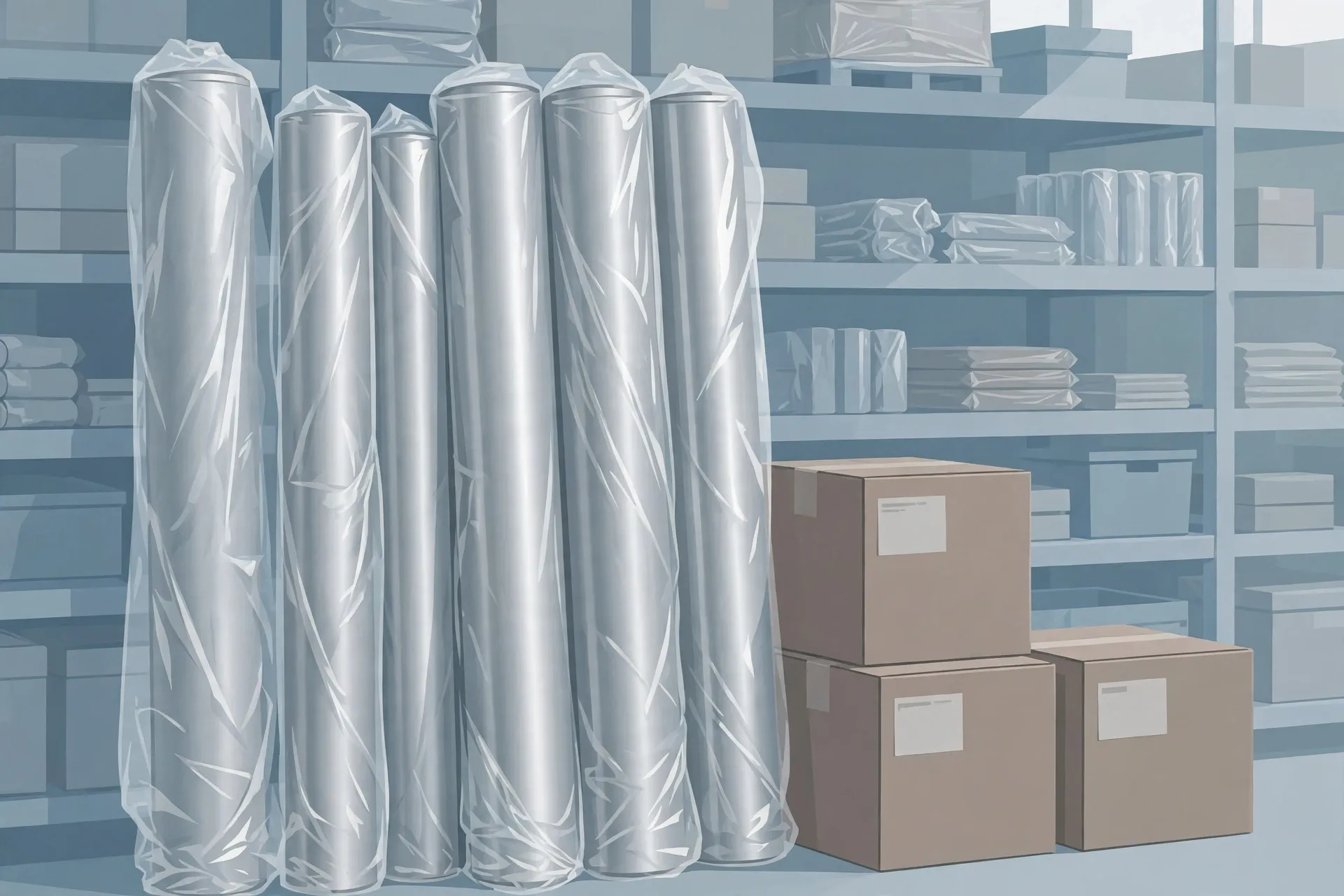
Fabric can be ordered from as little as 1 square metre, and the suggested starting quantity is 10 square metres or 10 metres, with a better price for a larger quantity. Silver fibre fabric is usually priced by the square metre, while copper-nickel fabric is usually priced by the metre. Finished products in stock can be ordered from 1 to 2 pieces, while an out-of-stock or custom item needs a new quotation and lead time. For workwear, that means the first order is usually a sample run in the sizes the site needs, then a trial for a small team, then the full site order — and the sample approval should be in writing before bulk is placed.
Payment is by letter of credit, telegraphic transfer, PayPal or Western Union. Confirm the method and the currency before the order is placed. Zimo is a trading-and-manufacturing supplier. The details above describe how it quotes and samples; they do not describe factory capacity or production processes, which are not published.
Frequently asked questions
Which fabric is used for shielding workwear?
Copper-nickel fabric, listed at 60 to 90 decibels, is the usual choice for coveralls and jackets. Silver fibre fabric, listed at 50 to 80 decibels, suits linings and parts worn next to the skin.
How should fit be decided?
By real measurements and a wearing trial, not by a size label. Have the wearers try the sample on while doing the work — kneeling, reaching, sitting — before approving bulk.
What compliance documents should I ask for?
Ask the site first. A test report for the fabric and the finished garment, a materials declaration, and supplier certificates are the usual starting point, and they are available on request.
Does the fabric figure describe the finished garment?
No. Seams, the zip, pockets, cuffs and the collar all affect the finished garment. Ask for the test report of the exact fabric and the exact construction.
How long does a sample take?
A stock sample usually ships in 1 to 5 days. A custom sample usually takes 5 to 30 days depending on the process, and the exact time is confirmed once the specification is confirmed.
Your next step
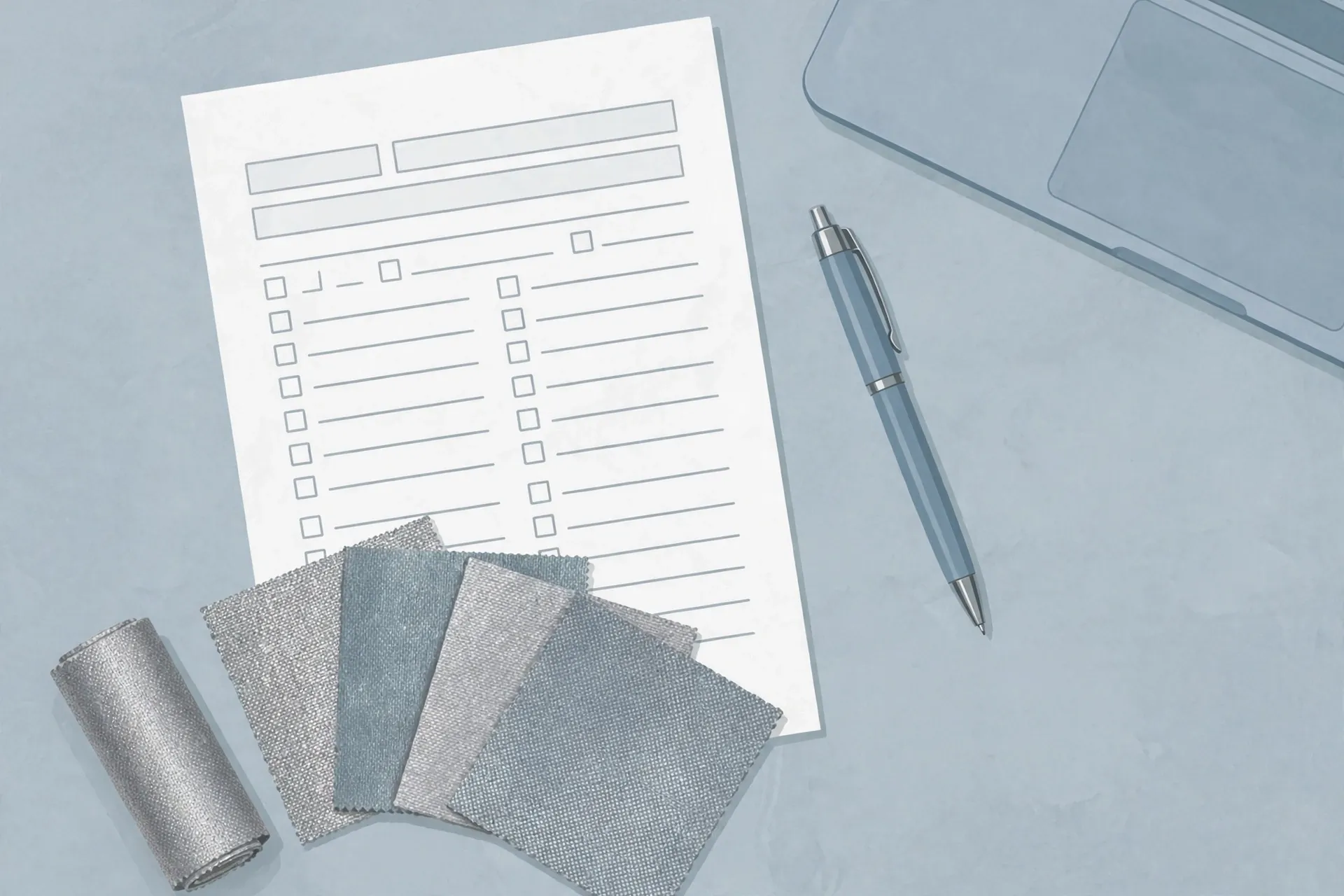
Write a one-page brief with the site type — clean room or industrial — the number of garments in each size, the measurements and the work the garment will be used for, the fabric, the closure and pocket layout, the other protective equipment it must work with, the documents the site requires, the check that will be run on delivery, and the payment method and currency. Send it and ask the supplier to confirm the fabric, the sizes, the sample time, the test that will be run on the sample, and what is included in the sample price. When the sample arrives, have the wearers try it on the job, with the rest of their equipment, before you approve bulk. If you are ready to start, contact us through the contact page or email info@zimo-cn.com with your brief, and we will reply with a fabric proposal, a sample time and a quote.