Custom Widths and Weights: How to Order Non-Standard Silver Fibre and Copper-Nickel Rolls
Standard rolls do not fit every product. This guide explains how to order silver fibre and copper-nickel fabric in custom widths and weights, from specification to first roll.
Custom Widths and Weights: How to Order Non-Standard Silver Fibre and Copper-Nickel Rolls
Standard rolls do not fit every product. A buyer cutting shielding fabric for a garment panel, a curtain, a bag lining or a flexible-electronics assembly may need a width that is narrower than the standard roll, a weight that is lighter than the standard fabric, or a roll length that matches a production run. Ordering a non-standard roll is straightforward — but only if the specification is written down, the sample matches the specification, and the first roll is checked before the rest are cut. This guide explains how to order silver fibre and copper-nickel fabric in custom widths and weights, from specification to first roll.
Start with the product, not the roll
The width and the weight of a roll are not specifications on their own; they follow from the product. A curtain needs a width that covers the window with as few seams as possible. A garment panel needs a width that fits the cutting layout with as little waste as possible. A bag lining needs a weight that folds without adding bulk. Before asking for a custom roll, write down what the fabric has to do: the finished size of the piece it will be cut into, how it will be cut, bonded or sewn, how it will be used, and how it will be washed or handled. The width and the weight then become answers to those questions, not guesses.
Say which fabric family the product needs first. Silver fibre fabric, listed at 50 to 80 decibels, is the usual choice where the fabric will be worn next to the skin or washed often — garments, bedding and linings. Copper-nickel fabric, listed at 60 to 90 decibels, is the usual choice where the fabric is a shielding layer inside a product — flexible electronics, enclosures, curtains and covers. The two families are priced differently: silver fibre fabric is usually priced by the square metre, while copper-nickel fabric is usually priced by the metre. A custom width changes the price differently in each case, so the fabric family should be settled before the width is discussed.
Also say what the fabric must still do after it is made to a custom width or weight. A lighter fabric may drape better and shield less; a narrower roll may cut with less waste and need more joins. If the product depends on the shielding figure, the figure that matters is the one measured on the custom fabric, in the width and the weight it will be ordered in — not the figure measured on the standard roll. Ask for the test report on the exact fabric as it will be ordered. Test reports and supplier certificates are available on request.
Writing the specification: width, weight and what else to name
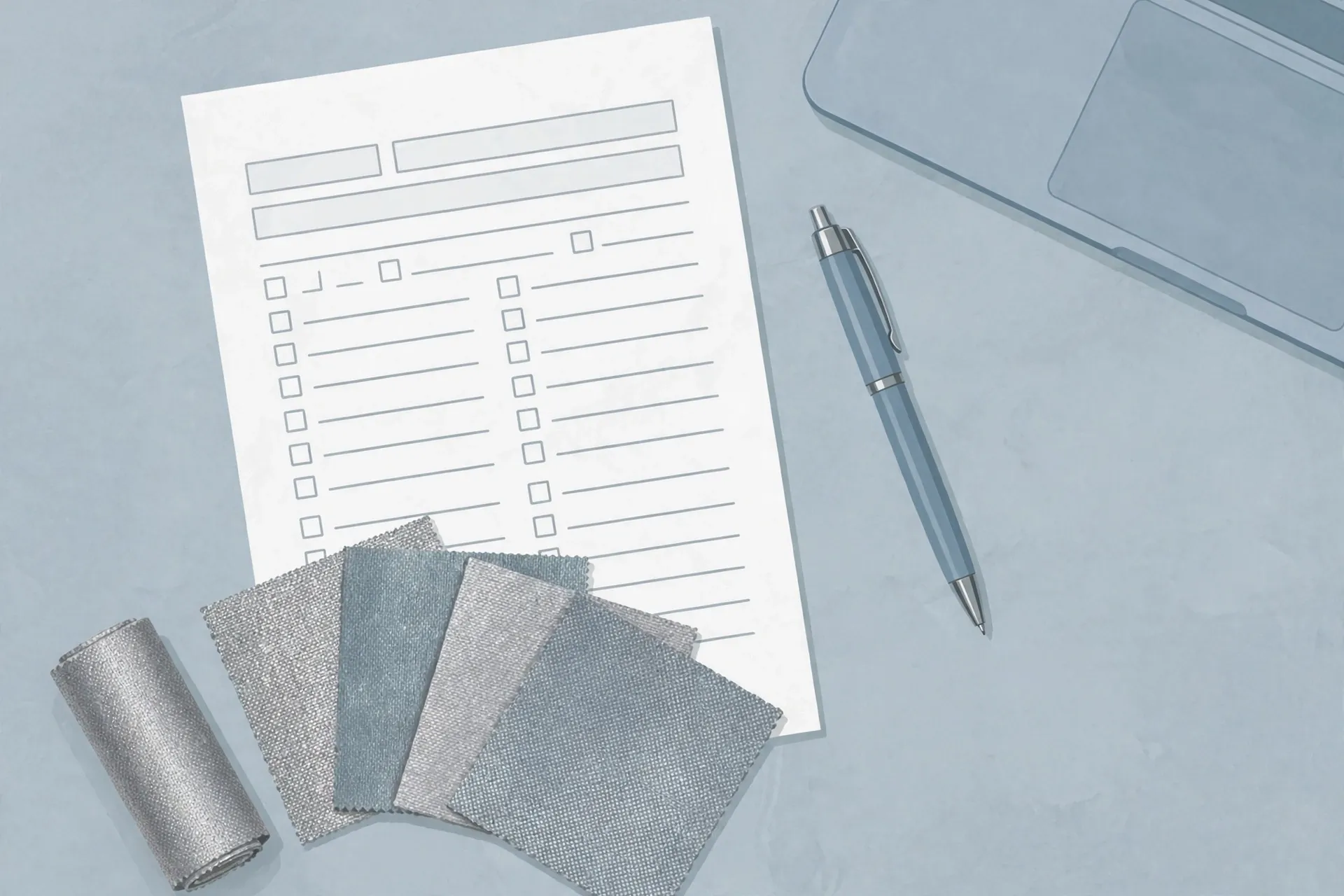
A custom roll specification has more in it than a width and a weight. Write the specification as a short list, and confirm it in writing with the supplier before any fabric is made:
- Fabric: silver fibre or copper-nickel, and the surface version — plain, patterned, or black-coated, where that applies.
- Width: the finished width of the roll, measured edge to edge, and how the width will be checked.
- Weight: the weight the buyer needs, described the way the supplier measures it, and whether the weight is a target or a limit.
- Roll length: how many metres per roll, and whether the order is for full rolls or cut lengths.
- Edge: whether the edges are left raw, folded, or finished, and how the edge will be treated if the fabric frays.
- Tolerance: how much variation from the stated width and weight the buyer will accept, and how it will be measured.
- Shielding figure: the figure the custom fabric is expected to meet, measured on the custom fabric, with the test method named.
The tolerance line matters more than it looks. No roll is exactly the width it is ordered at, and two people measuring the same roll will not always agree. Agree in writing how the width will be measured — across the full roll, at the ends, or at several points along the roll — and what counts as acceptable. A tolerance agreed at the order stage is a small conversation; a tolerance argued about at delivery is a dispute.
Say what the custom fabric is for in the same specification. A width that suits a curtain may not suit a garment cutting layout, and a weight that suits a bag lining may not suit a curtain that hangs. The supplier can only advise on the width and the weight if it knows the use, and the advice is worth asking for: a supplier that knows the fabric may suggest a width that cuts with less waste, or a weight that behaves better in the product, and that suggestion is cheaper at the specification stage than after the rolls are made.
Samples: the custom roll before the custom roll
Never order custom rolls without a sample of the custom fabric. A stock sample usually ships in 1 to 5 days, and it shows the fabric family and the hand feel — but it does not show the custom width or the custom weight. A custom sample — the fabric made to the buyer's width and weight — usually takes 5 to 30 days depending on the process, and the exact time is confirmed once the specification is confirmed. That sample is the only proof that the custom specification can be made, and that it behaves the way the product needs.
When the custom sample arrives, check it against the written specification, not against the standard roll. Measure the width at several points along the sample, check the weight the way the specification says it will be checked, and look at the edges. Then process the sample the way production will process it: cut it, bond it or sew it, wash it if the product will be washed, and check the finished piece. If the product needs the shielding figure, ask for the test on the custom sample, and check that the figure was measured on the custom fabric, not carried over from the standard roll. Approve the sample in writing, and keep the approved sample as the reference for the bulk order.
Order the first bulk run small enough to learn from. Fabric can be ordered from as little as 1 square metre, and the suggested starting quantity is 10 square metres or 10 metres, with a better price for a larger quantity. For a custom width or weight, the first order is a test of the specification as much as a purchase: order enough to run production, but not so much that a specification mistake becomes a warehouse of unusable rolls. Check the first roll in full when it arrives — width, weight, edges, and the shielding figure where the product depends on it — before cutting the rest.
What changes in the order, and what to watch in delivery
A custom width or weight changes the order in three ways. First, it changes the price: a non-standard width may be priced differently from a standard one, and the price should be confirmed in writing for the exact width and weight, not quoted from the standard roll. Second, it changes the lead time: custom fabric is made to order, so the time is confirmed once the specification is confirmed, and it should not be assumed to match the stock time. Third, it changes the return position: a standard roll can often be resold or reused, while a custom roll made to one buyer's specification usually cannot, so the specification and the sample matter more, because the order cannot easily be undone.
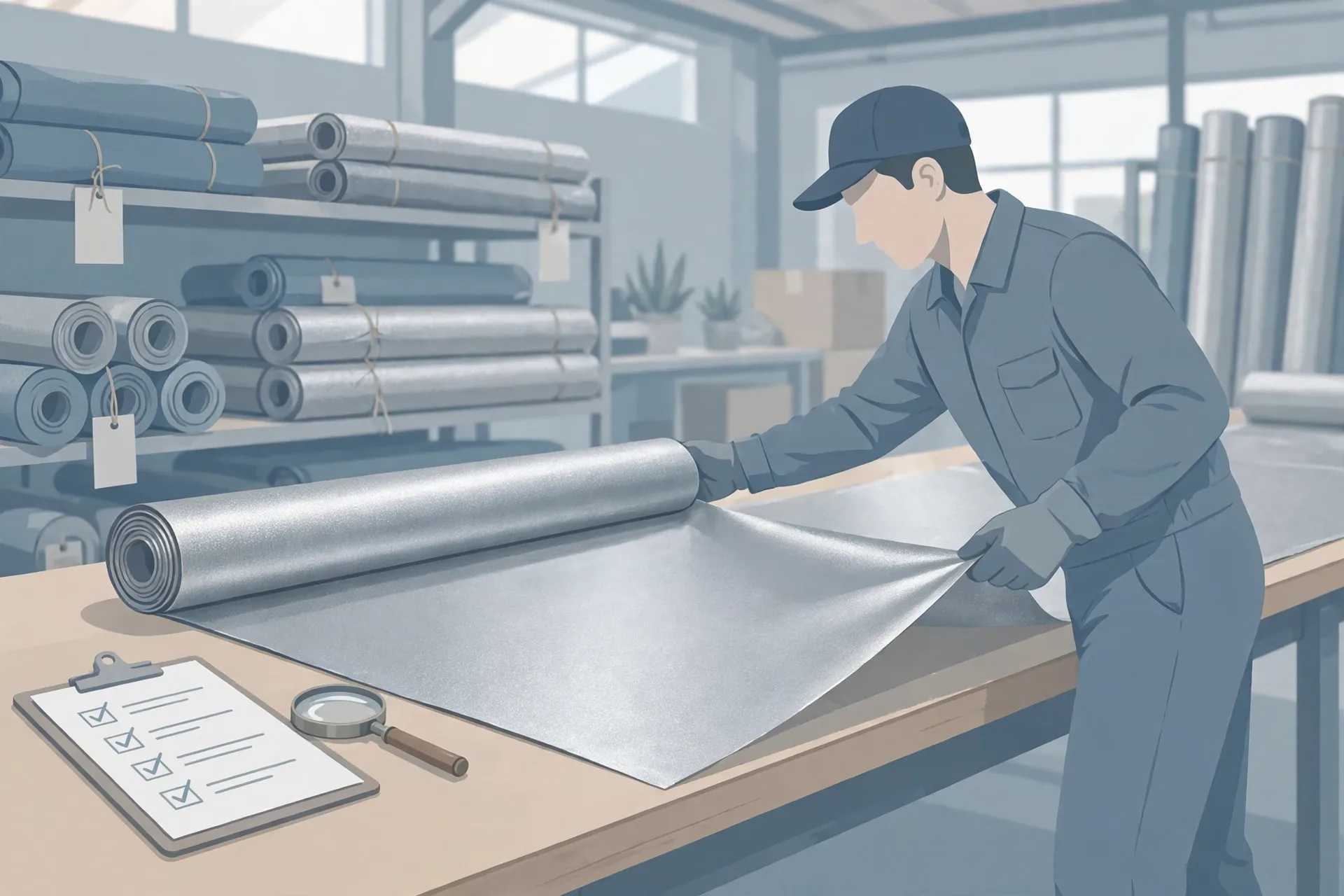
Check the delivery roll by roll. Measure the width at several points, check the weight, look at the edges and the surface, and check the roll length against the order. Check the shielding figure on the delivered fabric where the product depends on it, and keep the test report with the order. If a roll does not match the specification, say so before cutting it: a roll that has been cut is much harder to discuss than a roll that is still whole. Agree in writing before the order what happens if a roll does not match — whether it is replaced, re-made, or accepted at a different price — so there is something to point to if a delivery is questioned.
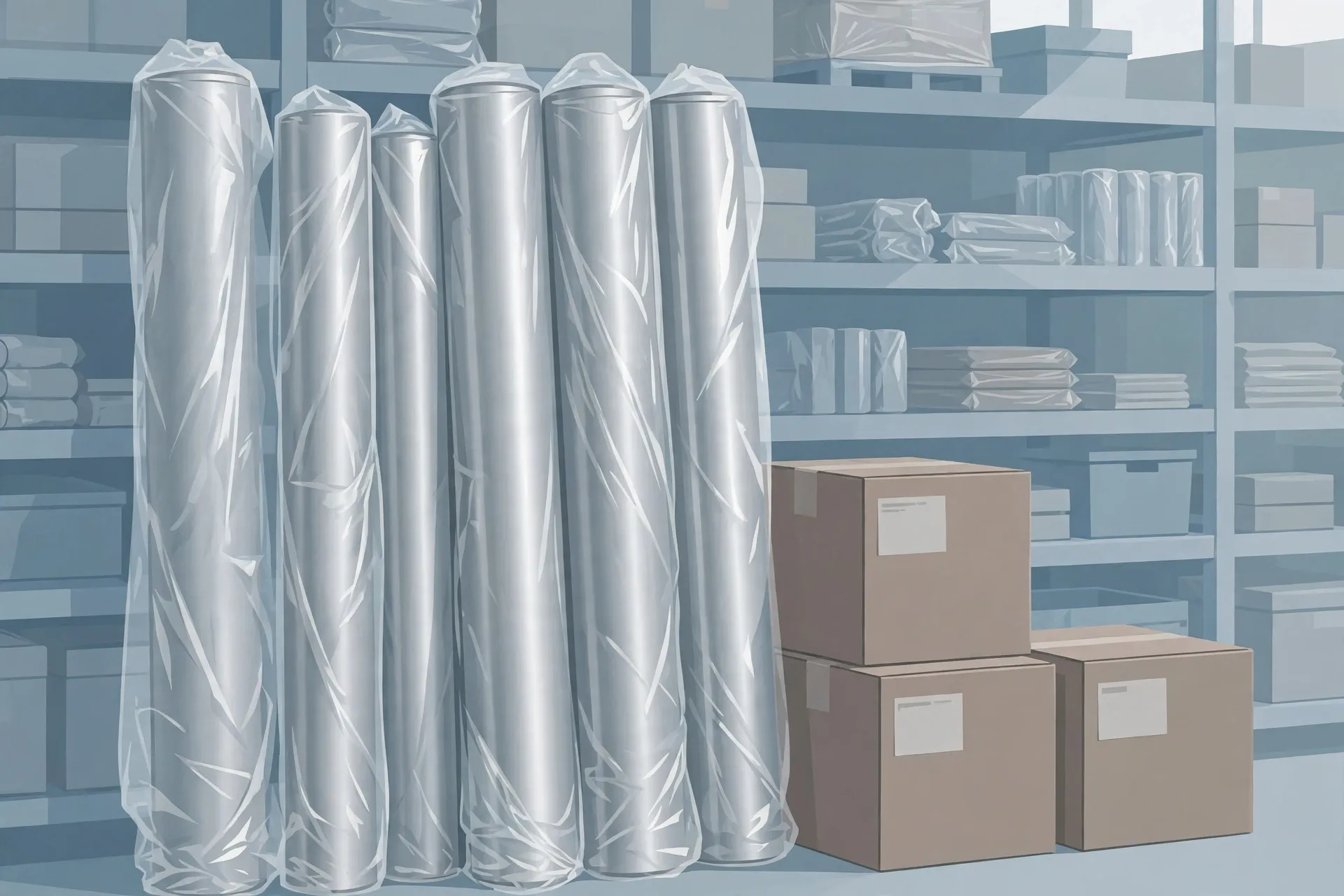
Packaging and handling deserve a line in the order too. Rolls should arrive protected from moisture and crushing, with the width and the weight marked on each roll, so the warehouse can tell one custom roll from another without opening it. Tell the supplier how the rolls will be stored and handled at the buyer's end, and ask how they will be packed for export, so the rolls that arrive are the rolls that were ordered.
Payment is by letter of credit, telegraphic transfer, PayPal or Western Union. Confirm the method and the currency before the order is placed. Zimo is a trading-and-manufacturing supplier. The details above describe how it quotes and samples; they do not describe factory capacity or production processes, which are not published.
Frequently asked questions
Can I order silver fibre or copper-nickel fabric in a non-standard width?
Yes, as a made-to-order roll. Write the width, the weight, the edge and the tolerance into a specification, confirm it in writing, and approve a custom sample before bulk.
How is custom fabric priced?
Silver fibre fabric is usually priced by the square metre and copper-nickel fabric by the metre. A non-standard width may be priced differently from a standard roll, so confirm the price for the exact width and weight in writing.
How long does a custom sample take?
A stock sample usually ships in 1 to 5 days. A custom sample, made to the buyer's width and weight, usually takes 5 to 30 days depending on the process, and the exact time is confirmed once the specification is confirmed.
Does a custom width change the shielding?
It can, because the shielding depends on the fabric as it is made. Ask for the test report measured on the custom fabric, in the width and the weight it will be ordered in.
What is the smallest custom order?
Fabric can be ordered from as little as 1 square metre, with 10 square metres or 10 metres as the suggested starting quantity. For a first custom order, keep it small enough to learn from.
Your next step
Write a one-page specification with the fabric family and surface version, the finished width and how it will be measured, the weight, the roll length, the edge treatment, the tolerance, the shielding figure with the test method, the quantities, the documents you need, and the payment method and currency. Send it and ask the supplier to confirm the fabric, the sample time, the price for the exact width and weight, and what is included in the sample price. When the custom sample arrives, measure it against the written specification, process it the way production will, and approve it in writing before bulk. If you are ready to start, contact us through the contact page or email info@zimo-cn.com with your specification, and we will reply with a fabric proposal, a sample time and a quote.