Oct 3, 2026Shielding Fabrics
Stainless Steel Fabric: Structured Shielding for Everyday Apparel
Stainless steel shielding fabric with a firm, structured hand feel, suited to shirts, trousers and jackets. Spec sheets and samples available on request.
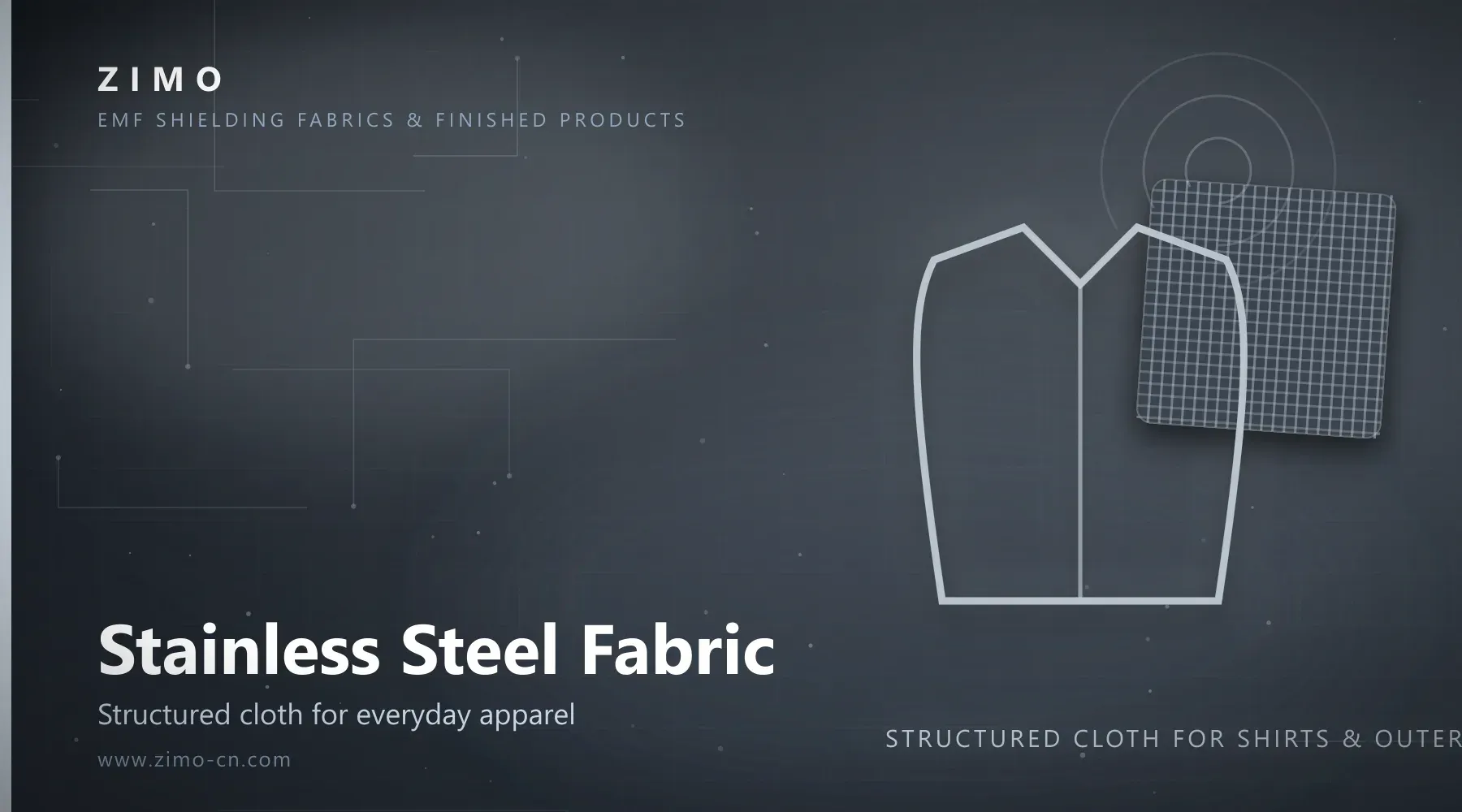
Most EMF shielding fabrics are designed to be soft, which works for base layers and bedding. Stainless steel fabric serves a different job: for garment factories and brands making everyday apparel, it brings shielding into shirts, trousers, and jackets in a cloth that holds its shape through cutting, sewing, and daily wear. Below: how it feels, which garments it suits, how to handle its performance data responsibly, and how to order it from Zimo — including no MOQ on standard items.
What Is Stainless Steel Fabric?
Stainless steel fabric is a conductive textile woven with stainless steel yarns. The metal yarns run through the fabric structure and form a continuous conductive network — the same general principle behind other metal-based shielding textiles. What makes this conductive stainless steel cloth distinctive is the hand: it behaves more like a classic suiting or workwear cloth than like a knit.
Within Zimo's range, it sits alongside copper nickel fabric and silver fiber fabric. All three are conductive fabrics, but they occupy different positions, and the right choice depends mainly on what you are making.
The Hand Feel: Thick, Crisp, and Almost No Stretch
Stainless steel fabric is noticeably thicker and more substantial than most shielding textiles. It has a crisp, structured hand: it holds a fold, keeps a shoulder line, and does not drape limply. It is not soft the way silver fiber cloth is — that is by design, not a defect. It also has almost none of the elasticity that knits and stretch wovens offer.
For structured apparel, each of these traits works in your favor:
A crisp hand keeps garments looking tailored. Collars, plackets, cuffs, and pocket flaps stay defined instead of collapsing.
Low stretch keeps patterns stable. Panels cut from a nearly non-stretch cloth sew up predictably, so seams and silhouettes stay where the pattern intended.
A substantial weight reads as "real clothing." A jacket or shirt made from it feels like an ordinary garment, not a specialty textile.
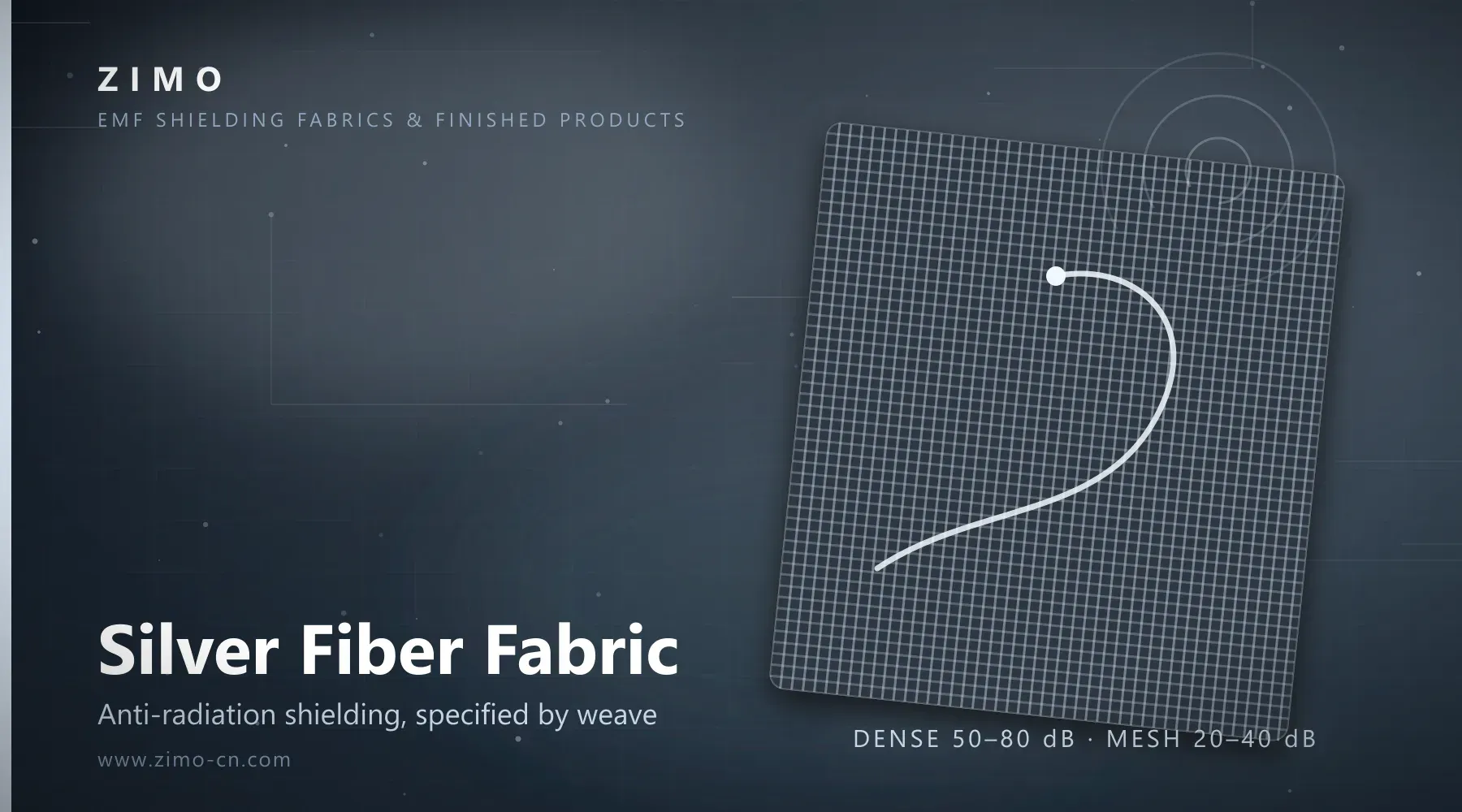
If your reference point is soft silver fiber cloth, expect the opposite experience. Silver fiber fabric is soft, body-hugging, and naturally antibacterial, which suits base layers and sleep-related products. Stainless steel fabric is structured and outward-facing, which suits garments that need to look and wear like regular clothing. The two are complements, not substitutes.
Garment Types That Suit Stainless Steel Fabric
Garment type | Why stainless steel fabric fits
Shirts | The crisp hand keeps collars, plackets, and cuffs sharp, so a shielding shirt reads as a normal dress or work shirt.
Trousers | Stability and low stretch help legs keep their line, and the cloth's durability suits garments that take daily abrasion.
Jackets and coats | Structure becomes an advantage: the cloth supports seams, linings, and hardware, so the shielding layer can double as the outer shell.
Shirts. Because the fabric holds a fold, collars can be cut from the shielding cloth itself, plackets stay flat, and the garment keeps a pressed look through a working day.
Trousers. Metal-yarn fabrics are generally durable, which matters in trousers — the garment category that takes the most daily abrasion. The near-zero stretch also means waistbands and seams behave like a conventional woven.
Jackets and coats. This is where the fabric is strongest: a jacket's outer shell is supposed to be structured, so building shielding into the shell adds function without changing the garment's character.
Shielding Performance: Request Data by Specification
We keep this section deliberately plain: attenuation data for stainless steel fabric is specification-dependent — current spec-sheet data and test reports are available on request.
Measured shielding effectiveness changes with weight (GSM), weave construction, and yarn content, so a single headline number would tell you little about the roll of cloth you would actually buy. Spec-sheet data is manufacturer-tested, and for measured specifications, test reports are available on request.
If your project needs documented numbers, the workflow is simple: tell us the application, receive the current spec sheet for the matching specification, then order a sample and verify on your own equipment. For measurement methodology, see how shielding effectiveness is measured.
Care and Durability
As a category, metal-yarn fabrics are known for durability and comparatively good wash resistance, and stainless steel is corrosion resistant in ordinary use. Care routines still vary with weight and weave, so follow the instructions supplied with the specific fabric. For a full washing routine, see our guide to washing EMF shielding fabric.
Combining Stainless Steel with Other Shielding Fabrics
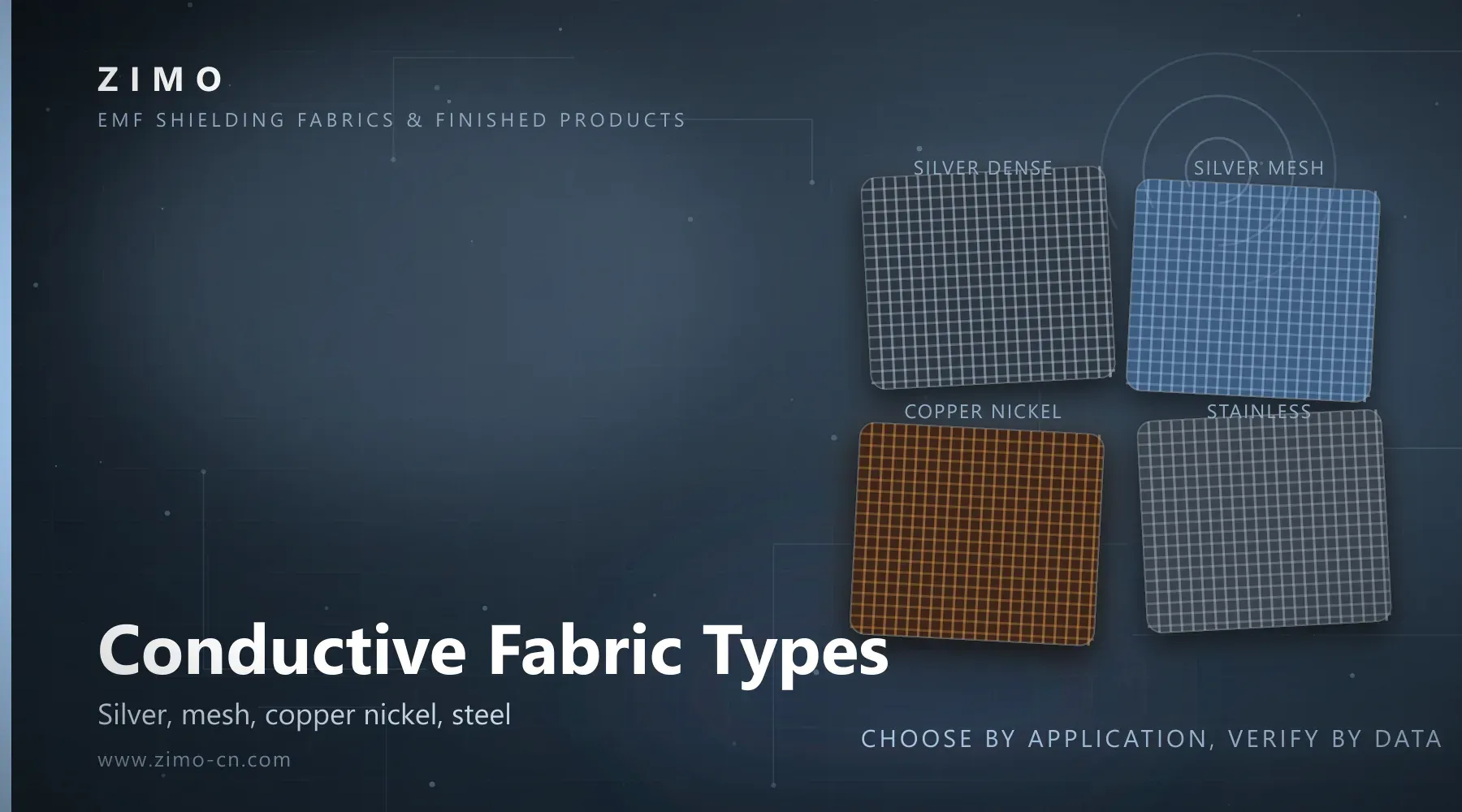
The different hand feels across Zimo's range make zoned construction straightforward. A common pattern for outerwear: an outer shell in stainless steel fabric, with the collar stand and neckline facing lined in soft silver fiber fabric, which feels better against the neck. Copper nickel fabric is another option where a heavier, structured cloth is needed. Other conductive fabrics are available on request. For a full map of the options, see conductive fabric types.
Ordering from Zimo: MOQ, Customization, and OEM
Standard items carry no MOQ, so you can order sample quantities or small runs before committing.
Customization is available for dimensions, weight (GSM), and styles; the MOQ for custom orders is confirmed per requirement.
Finished garments can be produced as OEM/ODM, covering fabric selection, sizing, and construction, for brands that want ready-to-sell pieces rather than fabric by the roll.
FAQ
Is stainless steel fabric stiff to wear?
No, but it is structured. Expect a firm, crisp hand rather than a soft drape. In shirts, trousers, and jackets, that reads as tailoring rather than discomfort. If the goal is a second-skin base layer, silver fiber fabric is the more suitable choice.
Does stainless steel fabric stretch?
Almost not at all. Treat it like a conventional woven suiting fabric: build wearing ease into the pattern instead of relying on the cloth to give.
Can you provide shielding data?
Yes. For any stainless steel EMF fabric specification, attenuation depends on weight and weave, so we supply the current spec sheet and, where available, manufacturer test reports on request. Tell us which fabric and application you are evaluating, and we will match the documents to the exact specification.
Can you make a full shirt-and-trouser set?
Yes. Finished garments are available as OEM/ODM, covering fabric selection, sizing, and construction details. The MOQ for custom orders is confirmed per requirement, while standard fabric items carry no MOQ.
How do I choose between stainless steel and silver fiber fabric?
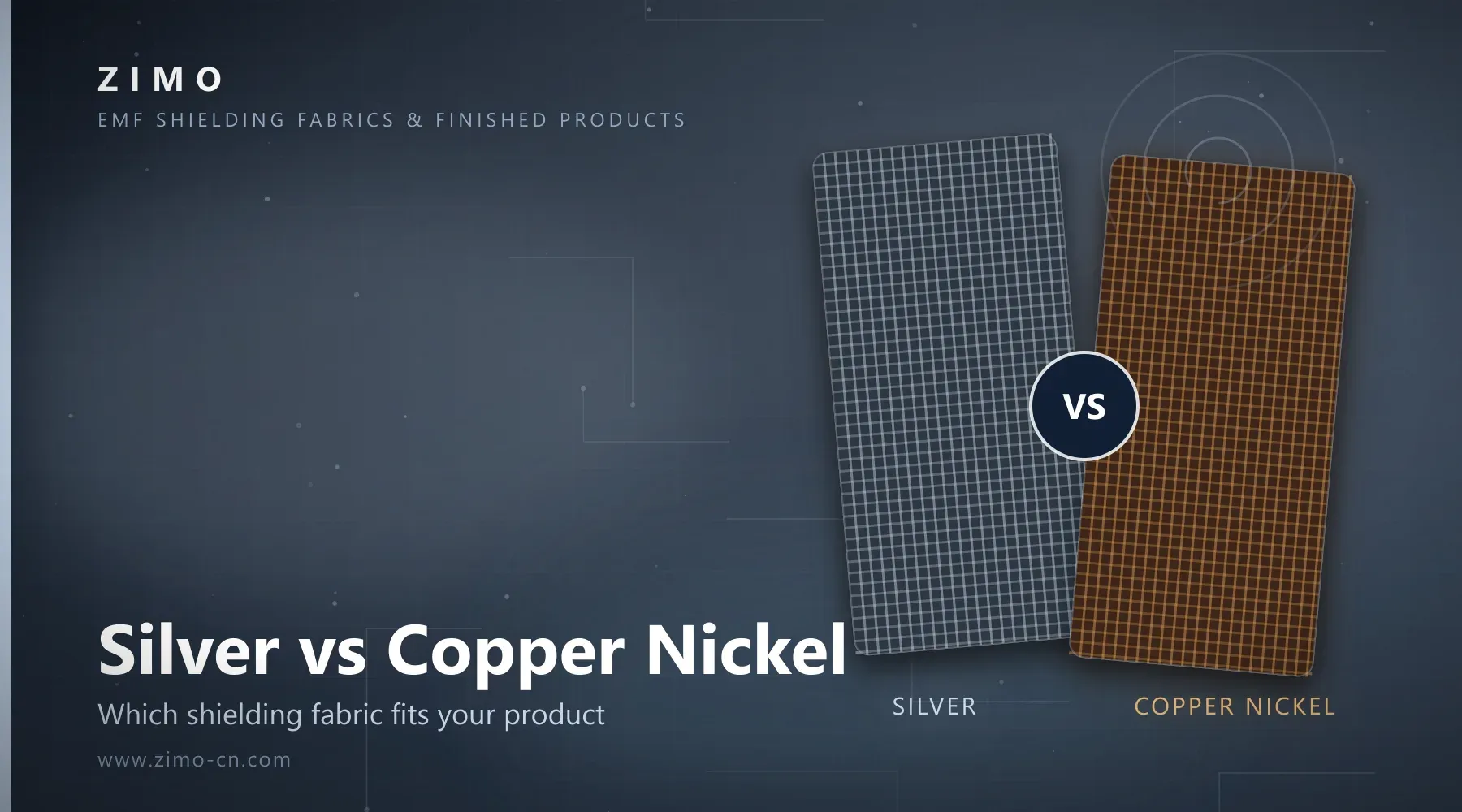
Start from the garment's job. Silver fiber fabric is soft and body-hugging, suited to base layers and items worn close to the skin; stainless steel fabric is thicker and structured, suited to shirts, trousers, and jackets. The same use-case logic applies across the range — see silver fiber vs copper nickel fabric for a worked example.
Request the Current Spec Sheet and a Sample
The fastest way to evaluate this fabric is on your own cutting table. Request the current spec sheet and a sample and tell us which garments you plan to make; we will confirm the matching specification, the available data, and the order terms.
Related Reading
Conductive Fabric Types: An Overview of Shielding Textiles
Silver Fiber vs Copper Nickel Fabric
How to Wash EMF Shielding Fabric