Sep 17, 2026Material Notes
DIY EMF Shielding: The Best Materials, Grounding Tips, and How to Test Your Setup
A practical DIY guide to choosing EMF shielding materials, grounding conductive fabrics, and testing real-world performance.
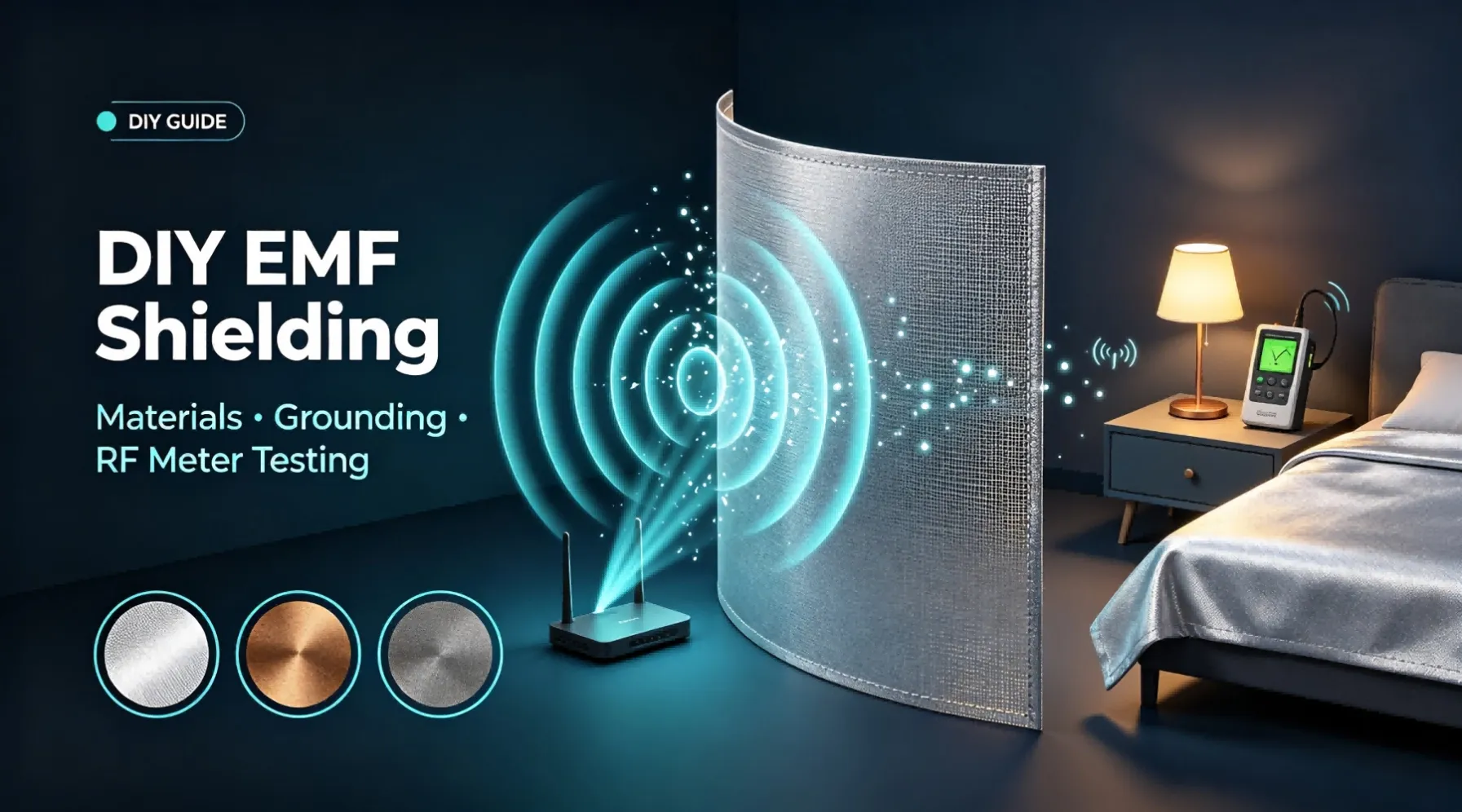
EMF shielding is not about turning your home into a sealed metal box. It is about reducing exposure in targeted areas—your bed, your desk, your Wi-Fi router zone, or a travel pouch for your phone. For DIY projects, the right materials and installation method matter far more than marketing claims.
If you are searching for DIY EMF shielding materials, silver fiber fabric for EMF protection, or copper-nickel conductive fabric, this guide will help you choose the right option and avoid common mistakes.
1. Start With Your Goal and Frequency
Before buying fabric, ask:
- What do you want to shield? A bed canopy, curtains, a phone pouch, or a room?
- What frequency are you concerned about? Wi-Fi, cell signals, smart meters, and Bluetooth operate at different frequencies.
- Do you need flexibility, breathability, durability, or maximum shielding?
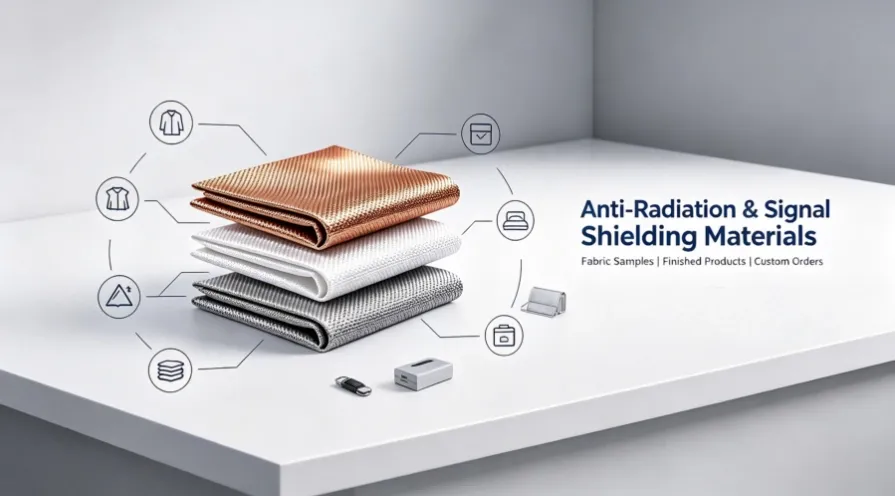
No single material is best for every project. Silver fiber fabric, copper-nickel conductive fabric, and stainless steel fiber fabric each have strengths.
2. Best DIY EMF Shielding Materials
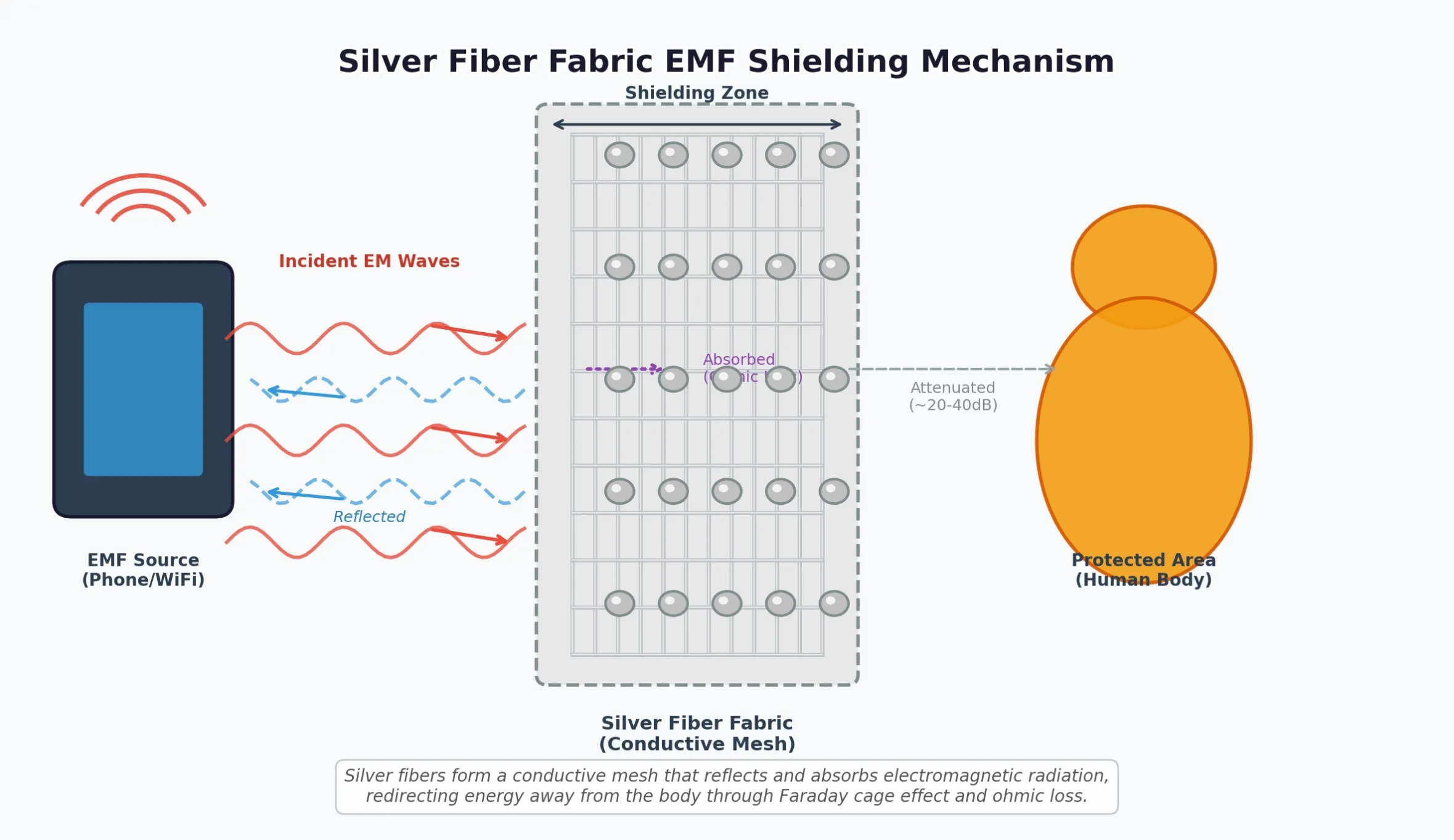
Silver Fiber Fabric
Silver-threaded fabric offers high conductivity and is often chosen for wearable and sleep applications. It is breathable, soft, and naturally antimicrobial. Depending on the weave and frequency, silver fiber fabrics can provide roughly 20–50 dB of shielding effectiveness.
Best for:
- Bed canopies
- Anti-radiation blankets
- Wearable hats and clothing
- Phone and device pouches
- Custom EMF shielding products
Silver fabric is a strong choice when comfort matters. It is also hypoallergenic, which makes it suitable for sensitive skin.
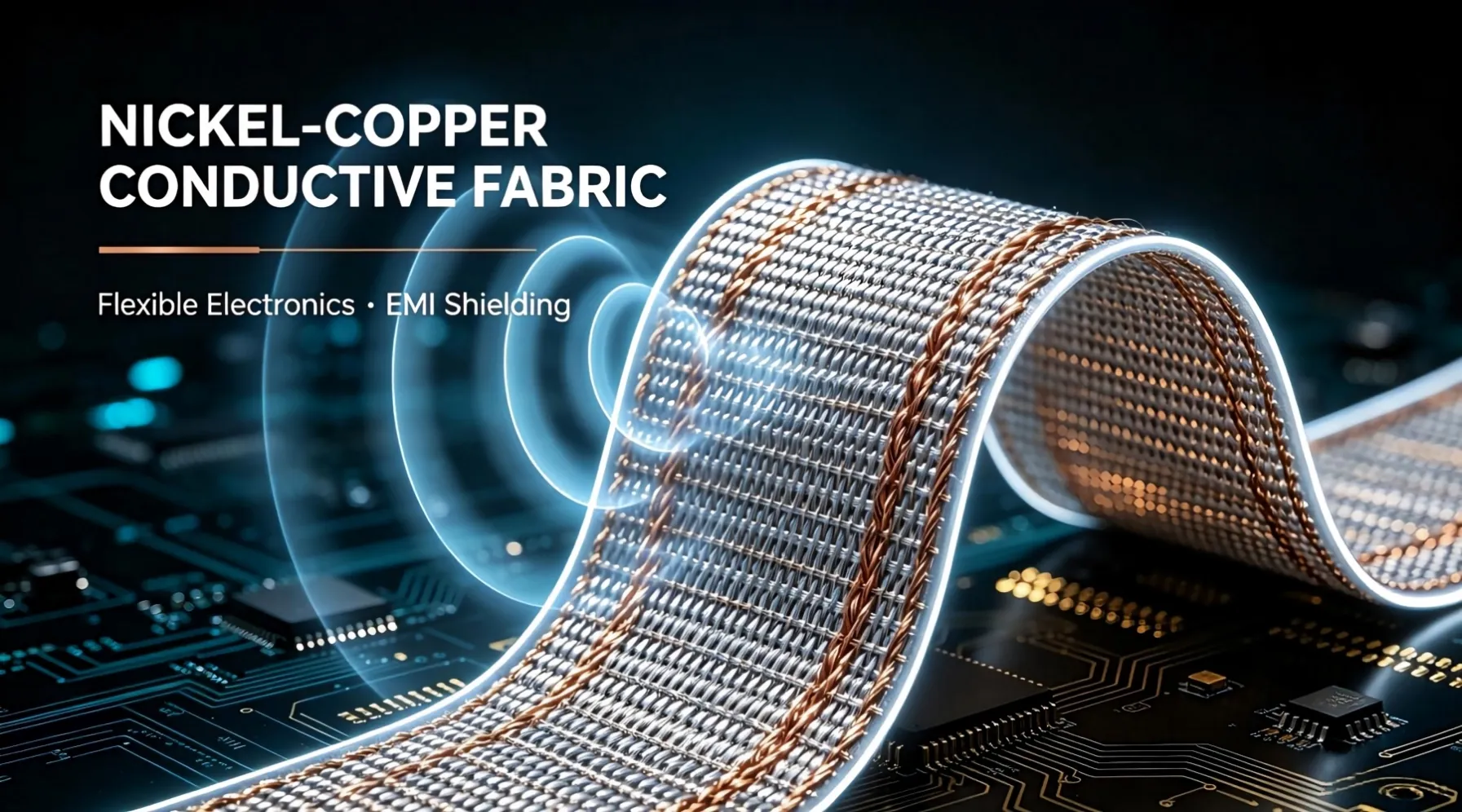
Copper-Nickel Conductive Fabric
Copper-nickel conductive fabric is a heavy-duty shielding material. It can provide 60–80 dB of signal shielding, depending on the testing method, layers, and frequency. It is also conductive, durable, and effective for RF signal blocking.
Best for:
- RFID blocking bags and boxes
- Signal shielding tents
- Room shielding panels
- EMI/RF enclosures
- Industrial and custom applications
Copper-nickel fabric is often used when higher attenuation is needed. However, it may oxidize over time, so quality coatings and protective layers matter.
Stainless Steel Fiber Fabric
Stainless steel fiber fabric is durable, corrosion-resistant, and breathable. It is commonly used for anti-radiation curtains, mosquito nets, tents, and large-area shielding. Its conductivity is generally lower than silver or copper-nickel, so shielding effectiveness may be lower, but it is practical for broad coverage.
Best for:
- EMF shielding curtains
- Anti-radiation mosquito nets
- Camping or shielding tents
- Bedroom window treatments
3. Grounding: Important for Some Projects
For many conductive materials—especially fabrics and paints used to shield a room—proper grounding is essential. Without grounding, a conductive fabric can act as an antenna or build up static charges.
Grounding is especially important for:
- Room-level shielding
- Window curtains connected to a grounding system
- Large wall panels
- Painted shielding surfaces
For wearables, grounding is not always practical or necessary, but it can help reduce static. Always follow local electrical safety codes. If you are unsure, consult a qualified electrician.
4. Seams, Overlaps, and Openings Matter
A shielding fabric only works if the signal cannot pass through gaps. Pay attention to:
- Overlapping seams
- Conductive tape or adhesive
- Zippers and doors
- Windows and vents
- Cable entry points
A small unshielded opening can reduce the performance of the entire enclosure. For pouches and bags, make sure the closure is tight and conductive.
5. Always Test With an RF Meter
After implementing DIY shielding, test its effectiveness with an RF meter. A phone signal test can give a rough idea, but a proper RF meter is more reliable.
Test before and after installation:
- Measure the signal level outside the shielded area.
- Measure inside the shielded area.
- Move the meter around to find leaks.
- Test different frequencies if possible.
Remember: real-world shielding depends on the material, the size of the enclosure, the frequency, and the quality of installation.
6. Common DIY Mistakes to Avoid
- Buying fabric without checking the dB rating.
- Forgetting to ground room-level shielding.
- Leaving large gaps around windows or doors.
- Using a single layer when multiple layers are needed.
- Assuming all RFID or EMF blockers work the same way.
- Not testing before relying on the project.
Conclusion
DIY EMF shielding can be effective when you choose the right material for the job. Use silver fiber fabric for wearable comfort, copper-nickel conductive fabric for high-performance signal blocking, and stainless steel fiber fabric for durable curtains, nets, and tents. Ground where needed, seal the gaps, and always test with an RF meter.
If you need custom sizes, specific dB levels, or finished products like hats, blankets, tents, and signal blocking bags, custom EMF shielding solutions are the next step.
Target long-tail keywords: DIY EMF shielding materials, silver fiber fabric for EMF protection, copper-nickel conductive fabric, stainless steel fiber fabric, grounding conductive fabric, RF meter test for EMF shielding, anti-radiation fabric for bed canopy, custom EMF shielding products.
Suggested meta description: Learn how to choose DIY EMF shielding materials like silver fiber, copper-nickel, and stainless steel fabric. Includes grounding tips, RF meter testing, and common mistakes.